Hearing Aids: What to Expect During Your Hearing Test and Evaluation
If you think you may need hearing aids, you are not alone. Hearing loss is very common, and today’s technology makes it easier than ever to hear clearly and stay connected.
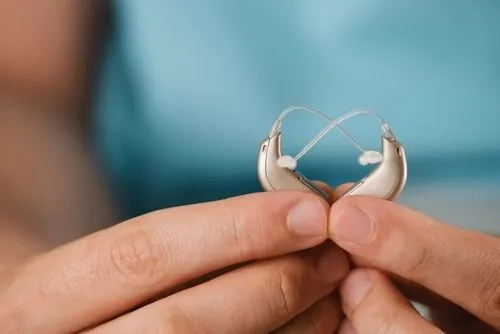
At Integrated Ear, Nose, & Throat, your hearing aid evaluation includes both advanced testing by a board-certified audiologist and a medical review with an ENT specialist. Here’s what you should know.
What do hearing aids do?
Hearing aids are designed to make sounds louder and clearer based on your unique hearing levels. Modern devices can:
- Improve speech understanding
- Reduce background noise
- Connect to smartphones and TVs
- Automatically adjust to different environments
They are customized specifically for your ears.
Signs you may need hearing aids
Many patients schedule a hearing test after they notice:
- Frequently asking people to repeat themselves
- Difficulty hearing in restaurants or groups
- Turning the television volume up high
- Trouble understanding phone conversations
- Ringing or buzzing in the ears (tinnitus)
The only way to know for sure is with a professional hearing evaluation.
What to expect during your hearing aid evaluation
We take a team approach to be certain you receive the most accurate diagnosis and the best treatment plan.
Comprehensive hearing test with a board-certified audiologist
Your visit begins with detailed diagnostic testing performed by our audiology team. We measure how well you hear tones and understand speech at different volumes.
This testing allows us to precisely map your hearing loss.
Medical exam with an ENT provider
After your hearing test, one of our ENT specialists will:
- Review your audiogram
- Examine your ears
- Identify any medical conditions that may affect hearing
- Confirm whether hearing aids are appropriate
In some cases, medical treatment may be recommended before hearing aids.
Personalized hearing aid recommendations
If amplification is the right solution, we will discuss:
- Which style fits your ear and comfort preferences
- Technology options and features
- Rechargeable vs. battery models
- Budget considerations
Our goal is to match you with devices that fit your hearing needs and daily life.
Are hearing aids easy to manage?
Yes. Most patients adapt quickly. Many hearing aids today:
- Adjust automatically
- Are simple to insert and remove
- Offer app-based controls
- Come with rechargeable options
We make sure you feel comfortable using them before you leave. Proper fitting, precise programming, and follow-up adjustments are essential. After your hearing aids are fitted, we provide guidance on use, care, and maintenance. Follow-up visits allow us to fine-tune settings and ensure long-term comfort and performance.
Our team works closely with you to address questions and ensure that your hearing aids continue to meet your needs over time.
Will hearing aids restore normal hearing?
Hearing aids significantly improve hearing but do not cure hearing loss. Like glasses for your eyes, they help you function better, communicate more easily, and enjoy everyday activities again.
Why treating hearing loss matters
Research shows that treating hearing loss can help patients:
- Stay socially engaged
- Reduce listening strain
- Improve communication with family
- Enhance overall quality of life
The earlier hearing loss is addressed, the better.
Schedule your hearing test
If you are struggling to hear or wondering if hearing aids might help, the first step is a comprehensive evaluation with our audiology and ENT team.
We are here to guide you toward better hearing.
Hearing Aid Evaluation – Frequently Asked Questions
Do I need a hearing test before getting hearing aids?
Yes. A comprehensive hearing test performed by a board-certified audiologist determines the type and degree of hearing loss and ensures the hearing aids are programmed correctly for you.
Can an ENT doctor tell if I need hearing aids?
Absolutely. After your hearing test, an ENT provider reviews the results, examines your ears, and determines whether hearing aids or medical treatment is the best option.
What happens at a hearing aid evaluation appointment?
Your visit typically includes diagnostic hearing testing, a medical exam of the ears, and a discussion about which hearing aid styles and technology levels fit your needs and lifestyle.
How long does a hearing aid evaluation take?
Most appointments take about 1–2 hours, depending on the testing required and the time spent reviewing your options.
Are hearing aids covered by insurance?
Coverage varies by plan. Our team will help you understand your benefits and any out-of-pocket costs before you make a decision.
What if my hearing loss is caused by a medical problem?
That’s why seeing an ENT specialist is important. Some conditions may be treated medically or surgically instead of with hearing aids.
How do I know which hearing aid is right for me?
Your audiologist and ENT provider will recommend devices based on your hearing loss, ear anatomy, lifestyle, and budget.