Discover Expert Otolaryngology at Integrated Ear Nose and Throat in Lone Tree, CO
When it comes to Tinnitus, Integrated Ear Nose and Throat in Lone Tree, CO is your go-to destination. Under the expert care of our dedicated team, we are committed to providing comprehensive, personalized care to address all your Otolaryngology needs.
What Is Tinnitus?
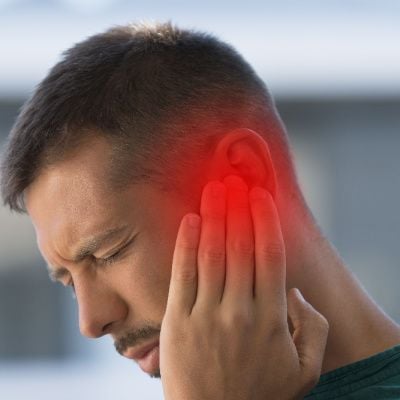
Tinnitus is the perception of a sound in the ear without an external sound being present. Over 50 million Americans experience tinnitus. Tinnitus can be intermittent or continuous. It can be in one or both ears. It can be low pitch, high pitch or have multiple sounds. Although tinnitus is commonly referred to as “ringing”, many people experience sounds that are not ringing—it can be buzzing, crickets, static, or other sounds. Rarely, it can be a pulsing or whooshing sound like your own heartbeat. A certain amount of tinnitus seems to be normal; even healthy ears can occasionally stimulate brief and mild episodes of tinnitus, such as after noise exposure or in a very quiet environment. Up to 60 percent of people with normal hearing will perceive some kind of sound when left in a sound-proof room for several hours. However, if tinnitus is frequent or continuous, only heard in one ear, or is pulsatile in nature (sounds like your heart-beat), the ears should be checked out by your ear, nose, and throat specialist with an ear examination and a complete hearing test.
What Causes Tinnitus?
It can be associated with many conditions. It can be the result of ear problems such as earwax, ear infections, immobility of the hearing bones (otosclerosis), muscle spasms in the middle ear, or hearing loss. It can also be seen with high blood pressure, stress, dental problems, neck problems, depression, head trauma, and medication side effects. This is why it is best to have your ears evaluated to determine your specific cause.
Tinnitus that sounds like your pulse or heartbeat is known as “pulsatile tinnitus.” While rare, pulsatile tinnitus may signal the presence of cardiovascular disease, narrowed arteries in your head or neck, or a vascular tumor in your head and neck, or ear. If you are experiencing this type of tinnitus, you should consult a physician as soon as possible for evaluation.
How Is Tinnitus Diagnosed?
When diagnosing tinnitus, we examine your ears, head, and neck. After an exam these are some standard tests we use:
· Hearing test (audiogram) — In a hearing test, you are placed in a soundproof room and wear headphones. Sounds are piped into the headphones, through one ear at a time. You signal when you can hear the sound and your results are compared to what is considered normal.
· Imaging tests — In some conditions, based on exam and/or hearing test findings a CT or MRI scans may be recommended.
How Can Tinnitus Be Treated?
Many people think that there is no treatment for tinnitus. This is not true! The foundation of tinnitus treatment is treating the underlying cause. For instance, tinnitus may be caused by wax obstructing the ear canal or by fluid behind the ear drum. Both of these problems can be corrected and can result in improvement in tinnitus. Tinnitus is also associated with TMJ (temporomandibular joint AKA jaw joint) problems, stress, anxiety, and depression. These underlying factors must also be addressed for proper management of tinnitus.
Sound therapies that involve simple things like background music or specialized ear maskers may be a reasonable treatment option. The effects of tinnitus on quality of life may also be improved by cognitive behavioral therapy (CBT) counseling, which usually involves a series of weekly sessions led by a trained professional.
If you or someone you love suffers from tinnitus, we encourage you to seek an understanding of why it is there and what options exist for treatment. This begins with a trip to an otolaryngologist (ENT doctor), where a thorough ear exam and hearing test can be performed.
Will A Hearing Aid Benefit Me?
The most common cause for tinnitus is age-related hearing loss, which begins as a gradual decreased ability to hear high-pitched noises. Patients with this condition will often perceive a high-pitched sound (because the nerve cells in the brain (neurons) are firing abnormally). Studies have found that almost two-thirds of tinnitus patients experienced at least some degree of relief when wearing hearing aids. Hearing Aids boost sounds that can both cover the sound of tinnitus, and can also reduce tinnitus by providing the misbehaving nerves with the stimulation that they have been missing.
When to see a Physician for Tinnitus?
1. Does tinnitus make me irritable?
2. Does tinnitus interfere with my sleep?
3. Does tinnitus make it hard for me to relax?
4. Does tinnitus interfere with my enjoyment of life?
5. Have I been bothered by tinnitus for more than 50% of my waking hours over the past week?
If you answered “yes” to any of the questions, we recommend an evaluation with one of our physicians.
Disclaimer:
The information on this website is provided for educational and information purposes only and is not medical advice. Always consult with a licensed medical provider and follow their recommendations regardless of what you read on this website. If you think you are having a medical emergency, dial 911 or go to the nearest emergency room. Links to other third-party websites are provided for your convenience only. If you decide to access any of the third-party websites, you do so entirely at your own risk and subject to the terms of use for those websites. Neither Integrated Ear Nose and Throat, nor any contributor to this website, makes any representation, express or implied, regarding the information provided on this website or any information you may access on a third-party website using a link. Use of this website does not establish a doctor-patient relationship. If you would like to request an appointment with a health care provider, please call our office at (303) 706-1616.